
Call us now :08045813925
 Send Inquiry
 Send Inquiry
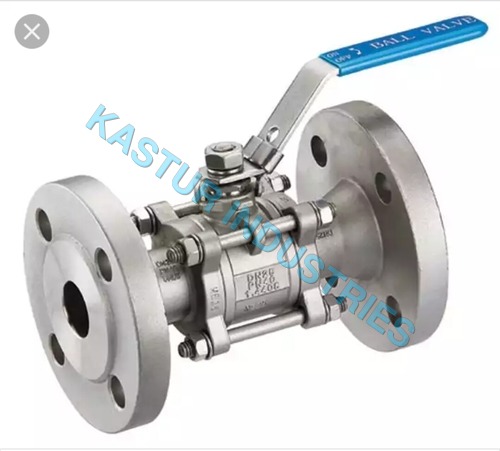
Flush Bottom Ball Valve
Price 200 INR/ Piece
MOQ : 10 Pieces
Flush Bottom Ball Valve Specification
- Structure
- Ball Valve
- Connection
- Flanged, Screwed, Butt Weld
- Channels
- Single
- Caliber
- Full Bore
- Pressure
- PN10, PN16, PN25, PN40
- Material
- Stainless Steel, Carbon Steel, Alloy Steel
- Power
- Manual
- Media
- Water, Oil, Gas, Chemicals
- Temperature of Media
- -10C to 180C
- Port Size
- 15mm to 150mm
- Flange
- ANSI, DIN, JIS Standard
- Finish
- Polished
- Application
- Pharmaceutical, Chemical, Food, Process Industries
- Operation
- Quarter Turn
- Testing
- 100% Hydrostatically & Pneumatically Tested
- End Connection
- Flanged / Screwed / Welded
- Corrosion Resistance
- Yes
- Mounting
- Bottom Entry
- Leakage Class
- Class VI
- Size Availability
- Custom sizes available
- Design Standard
- ASME B16.34, API 6D
- Maintenance
- Low
- Body Type
- Three Piece
- Seat Material
- PTFE, Graphite
- Fire Safe Design
- Available
Flush Bottom Ball Valve Trade Information
- Minimum Order Quantity
- 10 Pieces
- Supply Ability
- 100 Pieces Per Week
- Delivery Time
- 2-7 Days
- Sample Available
- Yes
- Sample Policy
- Contact us for information regarding our sample policy
- Main Export Market(s)
- Middle East, Western Europe, Africa, Central America, South America, Asia, Eastern Europe, North America, Australia
- Main Domestic Market
- All India
- Certifications
- ISO 9001:2015
About Flush Bottom Ball Valve
flush bottom ball valve is a type of ball valve specifically designed for applications that demand effective draining and cleaning of pipelines or vessels. It features a cavity at the bottom of the valve body that allows for complete fluid drainage, preventing the accumulation of residual product and ensuring thorough cleaning.
Frequently Asked Questions:
Q: What is the purpose of a flush bottom ball valve?
A: The main purpose of a flush bottom ball valve is to provide efficient draining and cleaning capabilities in industrial processes. It is commonly used in applications where complete drainage of fluids, such as viscous or sticky materials, is required to prevent contamination, product loss, or cross-contamination during batch changes.
Q: How does a flush bottom ball valve work?
A: A flush bottom ball valve operates similarly to a standard ball valve, utilizing a rotating ball with a bore through which the fluid flows. However, it is designed with a cavity or pocket at the bottom of the valve body that allows any residual fluid to be completely drained when the valve is fully open, ensuring a clear passage for cleaning or product changeover.
Q: Where are flush bottom ball valves typically used?
A: Flush bottom ball valves find applications in various industries, including pharmaceuticals, food and beverage, chemical processing, cosmetics, and other processes where cleanliness, hygiene, and efficient product changeover are critical. They are commonly used in reactors, storage tanks, mixers, and other equipment where thorough cleaning and draining are required.
Q: What are the advantages of using flush bottom ball valves?
A: The use of flush bottom ball valves offers several advantages. These include complete drainage of fluids, reduced risk of product contamination or cross-contamination, improved cleaning efficiency, minimized product loss during batch changes, and enhanced hygiene and sanitation in process systems.
Fire Safe & Corrosion-Resistant Construction
Equipped with fire-safe technology and built from corrosion-resistant materials, this valve withstands harsh operating conditions, ensuring safety and longevity. Its tested structure and reliable seat materials (PTFE, Graphite) minimize leakage and provide consistent sealing even under challenging chemical exposure.
Flexible End Connections & Custom Sizing
With multiple end connection optionsflanged, screwed, or weldedthe valve easily integrates into diverse piping systems. Custom size availability enables precise compatibility with specific process requirements, accommodating a port size range from 15mm to 150mm for maximum versatility.
FAQs of Flush Bottom Ball Valve:
Q: How is the Flush Bottom Ball Valve tested for leak-proof performance?
A: Each valve undergoes rigorous 100% hydrostatic and pneumatic testing, ensuring compliance with Class VI leakage standards for maximum sealing integrity and operational safety.Q: What materials and seat options are used in this valves construction?
A: The valve body can be manufactured from high-quality stainless steel, carbon steel, or alloy steel, with seat materials including PTFE and graphite for exceptional resistance to heat and chemicals.Q: When should a flush bottom ball valve be used in process industries?
A: This valve is ideal when complete drainage and minimal residue are required, notably in pharmaceutical, chemical, food, and related industries that demand hygienic and clean process conditions.Q: Where can this valve be mounted within a system?
A: Designed for bottom entry mounting, its commonly installed at the lowest point of tanks or reactors, enabling efficient draining and facilitating maintenance operations.Q: What is the process for customizing the valves size or connection type?
A: Custom sizing and connection options can be specified during order placement, allowing configuration of port sizes from 15mm to 150mm and choice among flanged, screwed, or welded end connections.Q: How does manual operation benefit users of this ball valve?
A: Manual quarter-turn operation allows precise flow control and rapid shut-off, making it user-friendly and minimizing actuator dependence, reducing operational complexity.Q: What are the main advantages of using this ball valve in industrial applications?
A: Key advantages include low maintenance, reliable fire-safe and corrosion-resistant design, compatibility with various media and pressures, and flexible installation options to suit diverse industries.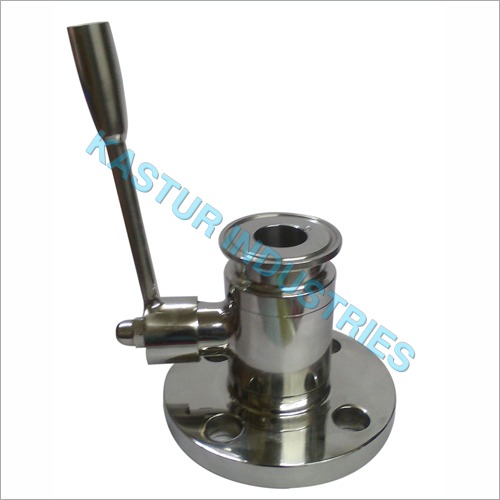
Tell us about your requirement

Price:
Quantity
Select Unit
- 50
- 100
- 200
- 250
- 500
- 1000+
Additional detail
Mobile number
Email

More Products in Stainless Steel Ball Valves Category
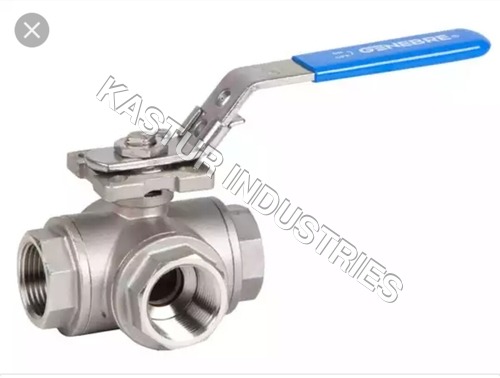
INVESTMENT CASTING 3 WAY STAINLESS STELL BALL VALV
Price 200 INR / Piece
Minimum Order Quantity : 10 Pieces
Material : Stainless Steel
Structure : Other, 3 Way Ball Valve
Caliber : Full Bore
Power : Manual
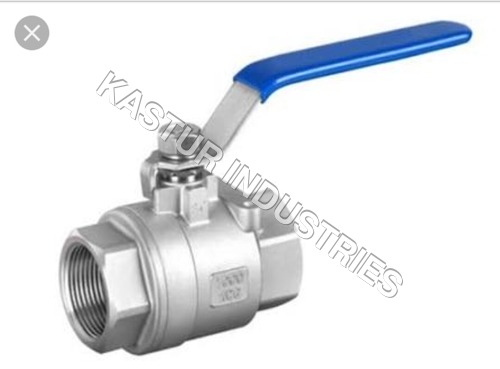
INVESTMENT CASTING STAINLESS STEEL BALL VALVE
Price 200 INR / Piece
Minimum Order Quantity : 10 Pieces
Material : Stainless Steel
Structure : Other, Ball Valve
Caliber : Standard
Power : Manual
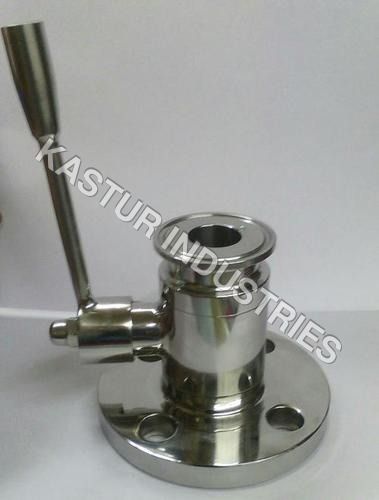
FLUSH BOTTOM STAINLESS STEEL BALL VALVE
Price 200 INR / Piece
Minimum Order Quantity : 10 Pieces
Material : Stainless Steel
Structure : Other, Ball Valve
Caliber : Full Bore
Power : Manual
Stainless Steel Ball Valve
Price 200 INR / Piece
Minimum Order Quantity : 10 Pieces
Material : Stainless Steel
Structure : Ball

 Send Inquiry
Our Products
- Stainless Steel Safety Valves
- Stainless Steel Float Valves
- Stainless Steel Foot Valves
- Stainless Steel Non Return Valve
- Stainless Steel Needle Valves
- Stainless Steel Ball Valves
- Stainless Steel Sampling Valves
- Stainless Steel Gate Valves
- Stainless Steel Butterfly Valves
- Pipe Fittings
- Butweld Fittings
- Syphon Tube
- Syphon Cock
- Stainless Steel Diaphragm Valve
- Kcass Valve
- Gauge Glass Cock
- Tube Fitting
- Y-Strainers
- Flange
- Thermowell
- Stainless Steel Sight View Glass
- Snubber Damper
- Tri-Clover Clamp
- Stainless Steel Check Valve
- Stainless Steel Industrial Valves
- Stainless Steel Control Valve
- Stainless Steel Globe Valve
- Stainless Steel Air Valve
- Stainless Steel Plug Valve
- Stainless Steel Bar Stock Fitting


122, Narayan Dhuru Street, 9, Shreeji Bhuvan - 2nd Floor, Masjid Bunder - West, Mumbai - 400003, Maharashtra, India

Mr. SAHIL PAREKH
(Proprietor)
Mobile :08045813925
 Send Inquiry
 Send SMS
Developed and Managed by Infocom Network Private Limited.
 English
 Spanish
 French
 German
 Italian
 Chinese (Simplified)
 Japanese
 Korean
 Arabic
 Portuguese